
Hard water stains are a frequent issue for homeowners, leaving unattractive marks on glass surfaces. These stains result from mineral deposits, like calcium and magnesium, that are left behind after water evaporates. Thankfully, there are a number of effective techniques to restore the clarity of your windows and prevent future buildup.
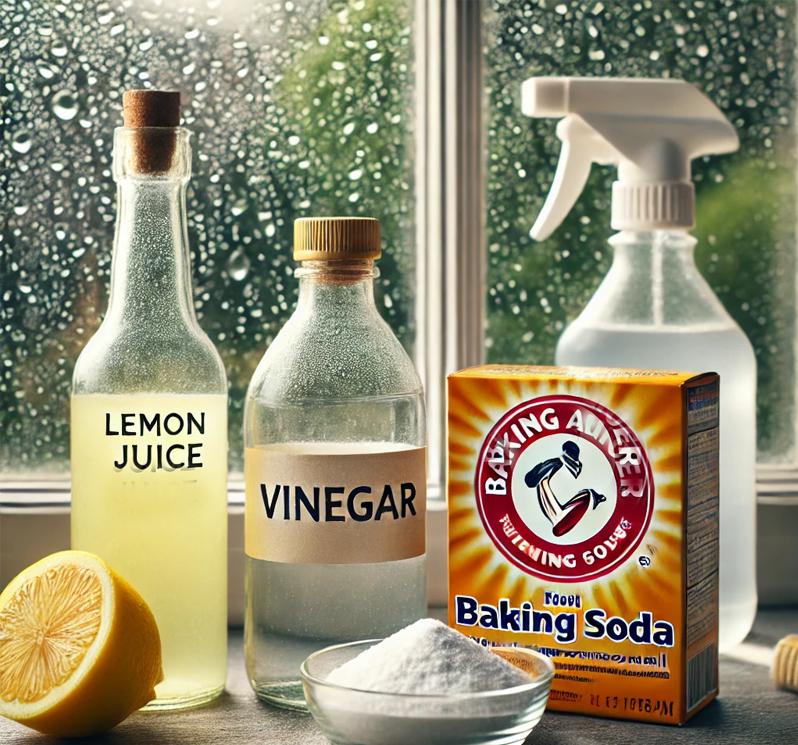
When water with high mineral content evaporates, it leaves behind a residue that, over time, can accumulate and become more challenging to remove. Understanding the cause of these stains is crucial for effectively tackling and preventing them.
Proven Techniques for Stain Removal
1. Vinegar and Water Solution
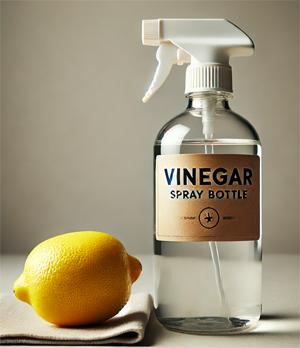
Vinegar is a natural, effective acid that can easily dissolve stubborn mineral deposits on windows. To use it, mix equal parts of white vinegar and water in a spray bottle. This solution is both strong enough to handle tough hard water stains and gentle enough to avoid damaging the glass.
Spray the mixture generously on the stained areas, ensuring complete coverage. Allow it to sit for 5-10 minutes so the vinegar can penetrate and break down the mineral buildup. After this period, wipe the stains away with a clean cloth or sponge. For particularly stubborn spots, you might need to apply some extra pressure or repeat the process.
Once the stains are removed, rinse the area with clean water and finish by using a squeegee or dry cloth to prevent new stains from forming. This method is not only highly effective but also eco-friendly, making it an excellent option for regular window care.
2. Lemon Juice
Lemon juice is a powerful natural cleaner due to its acidity, which effectively breaks down mineral deposits on windows. Mix one part lemon juice with two parts water in a spray bottle and generously apply it to the stained areas. Let it sit for a few minutes, then wipe clean with a soft cloth.
The lemon juice not only removes stains but also adds a natural shine and leaves a fresh citrus scent. For best results, dry the area with a cloth or squeegee to prevent new stains. This method is ideal for those who prefer natural cleaning solutions with a pleasant aroma.
3. Baking Soda Paste
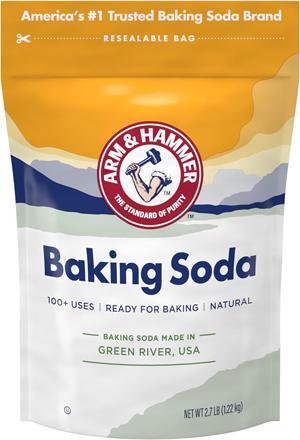
Baking soda is an excellent option for tackling tougher window stains, thanks to its gentle abrasive properties. To effectively remove stubborn hard water stains, mix baking soda with water to form a thick paste.
Apply this paste directly to the stained areas and gently scrub using a soft sponge. The mild abrasiveness of the baking soda helps lift the mineral deposits without scratching the glass.
For example, when dealing with hard water stains that have built up over time on bathroom windows, this method can be particularly effective. After scrubbing, rinse the area thoroughly with clean water to remove any residue. Finally, dry the window with a clean cloth to prevent any water spots from forming, ensuring your windows are left clear and streak-free.
4. Rubbing Alcohol
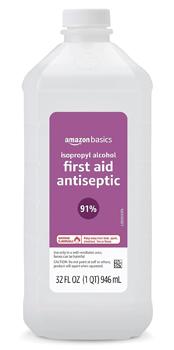
Isopropyl alcohol is an effective solution for stubborn window stains that other methods might not remove. To use it, mix equal parts of isopropyl alcohol and water in a spray bottle. This mixture is particularly effective on areas where mineral deposits or tough stains have accumulated over time.
For instance, if you have water spots on a bathroom window that have set in, spray the alcohol solution generously over the stained areas, ensuring full coverage. The alcohol acts as a strong solvent, quickly breaking down the stubborn stains.
Once applied, wipe the area clean with a cloth. For more persistent spots, let the solution sit for a minute before wiping. This approach not only effectively removes the stains but also dries quickly, leaving your windows spotless and streak-free.
5. Commercial Cleaners
If natural solutions aren’t effective, consider using commercial hard water stain removers. These products are specially formulated to tackle tough stains and can be highly effective. Follow the instructions, apply to stained areas, let it sit and then wipe clean. Always test on a small area first to ensure it won’t damage the surface.
Comparison of Cleaning Methods
| Method | Effectiveness | Cost | Ease of Use |
|---|---|---|---|
| Vinegar & Water | High | Low | Easy |
| Lemon Juice | Moderate | Low | Easy |
| Baking Soda Paste | High | Low | Moderate |
| Rubbing Alcohol | High | Moderate | Easy |
| Commercial Cleaners | Very High | Moderate to High | Easy |
How to Prevent Hard Water Stains:
Preventing hard water stains requires a consistent and mindful approach to window maintenance:
Regularly cleaning your windows is essential to prevent the buildup of mineral deposits that can eventually lead to hard water stains. By not allowing water to dry on the glass, you reduce the chance for these minerals to take hold.
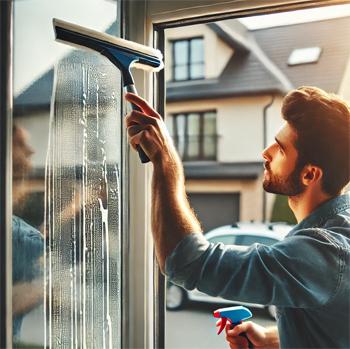
Using a squeegee immediately after washing your windows is a crucial step. It effectively removes excess water, preventing droplets from evaporating and leaving behind minerals that can cause stains. For best results, wipe the squeegee blade between strokes to avoid streaks.
Installing a water softener can make a significant difference in reducing the mineral content in your water supply, especially if you live in an area with hard water. This not only helps with preventing hard water stains on your windows but also extends the life of your plumbing and appliances by reducing scale buildup.
Additionally, consider applying a hydrophobic coating to your windows. These coatings cause water to bead up and roll off, taking dirt and minerals with it, further preventing stains. Regularly inspecting and maintaining these coatings can enhance their effectiveness.
The Bottom Line:
Keeping your windows free from hard water stains requires a combination of effective cleaning strategies and preventive measures. By using natural solutions like vinegar, lemon juice and baking soda, you can tackle most stains without harsh chemicals. For more stubborn cases, rubbing alcohol or commercial cleaners offer powerful alternatives.
Regular maintenance, such as wiping down windows with a squeegee and considering a water softener, can help prevent future buildup. With these strategies, your windows can remain clear and streak-free, enhancing the overall appearance of your home.
Last Updated August 9, 2024