
Sliding doors are a fantastic feature in any home, offering easy access to the outdoors while letting in natural light. However, the tracks that guide these doors can accumulate dirt, dust, and debris, leading to poor performance and even damage.

Keeping these tracks clean isn’t just about aesthetics—it’s essential for maintaining the door’s functionality and longevity. Here’s a comprehensive guide to help you tackle this task efficiently and effectively.
Step-by-Step DIY Guide:
Cleaning sliding door tracks doesn’t have to be a daunting task. With the right approach, you can keep them in top condition and ensure your doors glide smoothly for years to come.
Materials You’ll Need:
- Vacuum cleaner with a narrow attachment
- Toothbrush or small scrub brush
- Sponge or cloth
- Warm water
- White vinegar
- Soft cloth for drying
- Lubricant (silicone spray recommended)
Step 1: Prepare the Area
Before you start, ensure the sliding door is open wide enough to access the tracks. Remove any large debris, such as leaves or pebbles, by hand.
Step 2: Vacuum the Tracks
Using a vacuum cleaner with a narrow attachment, thoroughly clean the tracks to remove loose dirt and debris. Pay special attention to the corners and edges, where grime tends to accumulate. This step is crucial for preventing the buildup of dirt, which can hinder the door’s movement.
Step 3: Scrub with Warm Water and Vinegar

Mix equal parts warm water and white vinegar in a bowl. Dip a toothbrush or small scrub brush into the mixture and scrub the tracks. The vinegar acts as a natural cleaner, breaking down grime and disinfecting the area. Focus on any stubborn spots, using a bit of extra pressure if needed.
Pro Tip: For exceptionally dirty tracks, sprinkle some baking soda onto the tracks before scrubbing. The combination of vinegar and baking soda creates a fizzing reaction that helps lift and loosen tough dirt.
Step 4: Wipe Down the Tracks
After scrubbing, use a damp sponge or cloth to wipe away the dirt and vinegar solution. Make sure to rinse the cloth frequently to avoid spreading grime back onto the tracks. Once clean, dry the tracks thoroughly with a soft cloth to prevent rust or corrosion.
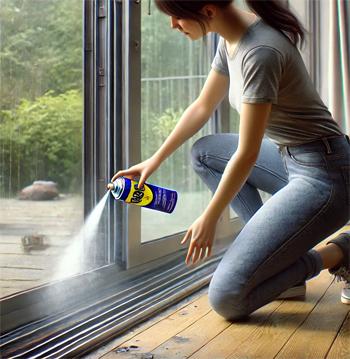
Step 5: Apply Lubricant
To ensure smooth operation, apply a small amount of silicone-based lubricant to the tracks. Avoid using oil-based lubricants, as they can attract more dirt. Wipe away any excess to prevent it from building up in the future.
Checklist for Future Maintenance:
- Vacuum tracks weekly to prevent debris buildup.
- Wipe down tracks with a damp cloth every month.
- Re-apply lubricant every three months or as needed.
- Inspect tracks for signs of rust or wear, and address issues promptly.
Pros and Cons of Different Cleaning Methods:
When it comes to cleaning sliding door tracks, various methods offer different benefits and drawbacks:
Vacuuming:
- Pros: Quick, easy, removes most loose debris.
- Cons: Doesn’t address stuck-on grime or stains.
Vinegar and Water Scrub:
- Pros: Natural, effective, and disinfects.
- Cons: Requires more effort, may not remove heavy buildup without additional scrubbing.
Commercial Cleaners:
- Pros: Specifically designed for tough dirt, often faster results.
- Cons: May contain harsh chemicals, more expensive than DIY solutions.
My Final Thoughts:
Keeping your sliding door tracks clean is essential for maintaining the smooth, effortless operation of your doors. By following this simple guide, you can easily tackle dirt and debris, ensuring your doors not only look great but function optimally for years to come. Regular maintenance, using the right tools and techniques, will save you time and frustration in the long run.
Last Updated September 4, 2024