
Washing windows can be a daunting task, but utilizing a jet streams of water can simplify the process significantly. This guide will provide you with essential techniques, safety measures and expert insights to help you achieve spotless results without damaging your glass surfaces.

Craftsman Washer 1700 PSI
1.2 GPM OK for Windows

Electric Washer
with 40° Nozzle for Windows

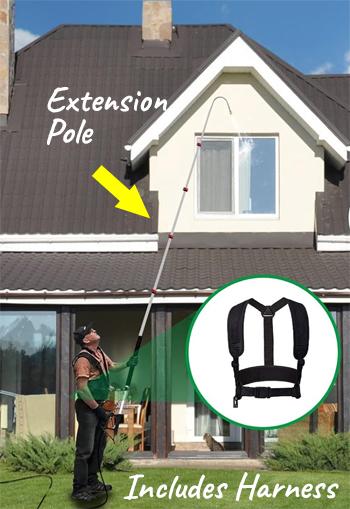
24′ Extension Wand
for High Windows
Pressure washing employs a powerful water spray to eliminate dirt, grime and other contaminants from various surfaces. While this method is effective for patios and driveways, it requires a careful approach when applied to windows. According to the American Cleaning Institute, 70% of homeowners prefer this method for exterior cleaning due to its efficiency and effectiveness.
Types of Power Washers and Their Applications
| Type | PSI Range | Best Uses |
|---|---|---|
| Electric | 1300 – 2000 PSI | Ideal for light cleaning tasks, including glass surfaces |
| Gas | 2000 – 4000 PSI | Best for heavy-duty cleaning, not recommended for windows |
| Hot Water | 1500 – 3000 PSI | Effective for removing grease and oil, not suitable for glass |
Safety Precautions:
Before you start, it’s crucial to prioritize safety. Here are some key precautions to consider:
- Wear Protective Gear: Always use safety goggles, gloves and non-slip footwear to protect yourself from water spray and debris.
- Inspect Glass Surfaces: Check for any cracks or damage before cleaning, as power washing can worsen existing issues.
- Select the Right Nozzle: Use a low-pressure nozzle (25 degrees or wider) to avoid damaging the glass and seals.
- Monitor Weather Conditions: Avoid cleaning on windy days or when rain is expected, as this can lead to streaks and water spots.
Step-by-Step Guide to Cleaning Windows
To achieve the best results when using a jet washer, follow these carefully considered steps:

1. Prepare the Area: Before starting, remove any obstacles around the work area to ensure a clear path for the sprayer. For instance, move outdoor furniture, potted plants or anything else that could obstruct your movement or be damaged by the spray. This step not only protects your property but also allows you to work more efficiently.
2. Inspect Windows: Double-check that all windows are securely closed to prevent water from seeping inside. Additionally, inspect the glass and seals for any signs of damage, such as cracks or loose seals. For example, if a window has a small crack, the force of the water blaster could worsen the damage, leading to costly repairs.
3. Apply Cleaning Solution: Use a cleaning solution specifically designed for windows and compatible with power washers. Avoid harsh chemicals, as they can degrade the window seals over time. For instance, a mild detergent designed for glass will effectively remove dirt and grime without harming the integrity of the window.
4. Choose the Right Nozzle: Selecting the appropriate nozzle is crucial. A fan pattern nozzle, which disperses water evenly, is ideal for windows as it provides a gentle yet effective spray. For example, a 25 or 40-degree nozzle can cover a broad area without concentrating too much force on any single spot, reducing the risk of damage.
5. Work from the Top Down: Start cleaning from the top of the window and work your way down to avoid streaks. This method ensures that dirt and debris are washed down and away from the surface, rather than being redeposited on areas you’ve already cleaned.
6. Maintain Distance: Keep the nozzle at least 2-3 feet away from the glass to prevent breakage. For example, standing too close with a high-power stream can crack or shatter glass, especially if it’s older or thinner. Maintaining the right distance ensures effective cleaning without risking the integrity of the window.
7. Thorough Rinsing: After applying the cleaning solution, rinse the windows thoroughly with clean water to remove any leftover residue. Inadequate rinsing can leave streaks or spots, undermining the cleaning effort. A final rinse with clean water ensures a spotless, streak-free finish.
Best Practices for Optimal Results
| Best Practice | Description |
|---|---|
| Use a Stable Ladder | Ensure the ladder is on a flat surface and stable. Avoid overreaching while on the ladder. |
| Segment Your Work | Divide the window into sections and clean one section at a time for thoroughness. |
| Inspect for Streaks | After rinsing, check for streaks and touch up as needed. |
| Schedule Regular Maintenance | Plan regular cleanings to prevent dirt buildup, making future tasks easier. |
Expert Recommendations
When properly executed, jet washing is a highly efficient method for cleaning windows, offering significant time savings and exceptional results.
1. Reduce Cleaning Time by Up to 50%:
Utilizing a pressure sprayer can significantly cut down cleaning time. For instance, when cleaning large, multi-pane windows, what might take over an hour with traditional methods can be completed in just 30 minutes with jet power. The powerful spray effectively removes grime and dirt that would otherwise require extensive scrubbing.
2. Choose the Right PSI to Avoid Damage:
For glass cleaning, it’s crucial to use a machine with a maximum of 1500 PSI, or use a nozzle or less GPM that lowers the pressure. Anything higher risks damaging the glass or seals. For example, using a gas-powered washer with 3000 PSI on delicate glass can result in cracks or even shattered windows. Stick to lower force and consider using a wide-angle nozzle (ie. 40°) to distribute the force more evenly across the surface.
3. Regular Cleaning Extends Window Lifespan:
Consistent maintenance is key to preserving your windows. By regularly removing dirt, mold and other contaminants with a water stream, you prevent these elements from eroding the glass and seals over time. For instance, a window exposed to coastal environments with salt buildup can last significantly longer if cleaned every few months, rather than allowing corrosive salt to accumulate and cause damage.
Avoiding Common Pitfalls
- Excessive Power: Many users mistakenly apply too much force, risking shattered glass or damaged seals.
- Neglecting Safety: Skipping protective gear can lead to injuries from debris or slips.
- Failing to Test: Always test a small, inconspicuous area before proceeding with the entire window.
The Bottom Line:
When done correctly, using a jet washer to clean windows is both efficient and effective. Prioritizing safety, choosing the right tools and following best practices are key to achieving the best results.
Approaching window maintenance with care and the right knowledge can lead to outstanding results. By adhering to the safety guidelines and techniques outlined in this article, you can enjoy spotless windows without risking damage. Take your time and ensure safety for optimal outcomes.
Last Updated August 10, 2024