
When it comes to cleaning windows, simplicity can often be the best approach. Water-only window cleaning cloths offer a chemical-free solution that’s both environmentally friendly and effective.

Unlike traditional cleaning methods that rely on sprays and detergents, these cloths use advanced microfiber technology to clean surfaces with just water.
How Water-Only Window Cleaning Cloths Work
Water-only window cleaning cloths use advanced microfiber technology to clean surfaces effectively without the need for chemical cleaners. Here’s how they work:
- Microfiber Structure: The cloths are made of thousands of tiny fibers, much finer than a human hair. These fibers are split during manufacturing to create more surface area and increase absorbency.
- Electrostatic Attraction: The split fibers generate a slight static charge, which helps attract and hold onto dust, dirt and grime. This allows the cloth to pick up particles that regular cloths might leave behind.
- Capillary Action: The ultra-fine fibers create capillary action, which helps to pull and trap liquids, including oils and grease, within the cloth. This makes them highly effective at removing smudges and fingerprints.
- Mechanical Action: As you wipe with the cloth, the fibers physically lift and trap dirt and debris. The fine structure of the microfiber ensures that even microscopic particles are captured.
- Surface Contact: The density and structure of the microfiber enable the cloth to make close contact with the glass surface, ensuring thorough cleaning without scratching.
- Water Activation: When dampened with water, the microfiber fibers expand slightly, increasing their surface area and cleaning power. Water acts as a lubricant, helping the cloth glide smoothly over the surface and pick up more dirt.
By utilizing these principles, water-only cleaning cloths provide a highly effective, eco-friendly cleaning solution that leaves windows sparkling clean without streaks or residue.
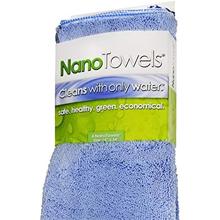
Nano Towels
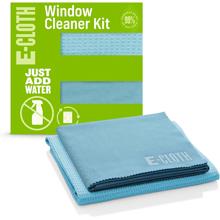
e-Cloth Window Cleaning Kit

Pure Sky Glass Cloth
Key Features to Look For
- High-Quality Microfiber: The best cloths are made from dense, ultra-fine microfiber that can trap dirt, dust and grime without scratching the glass. Look for a cloth with at least 300 GSM (grams per square meter) for optimal performance.
- Durability: Choose cloths that can withstand numerous washes without losing their effectiveness. This ensures a long-lasting investment that will save you money over time.
- Lint-Free: Ensure the cloths are designed to be lint-free to avoid leaving any residue on the glass. This feature is crucial for achieving a streak-free finish.
- Size and Shape: Larger cloths can cover more area quickly, but smaller cloths can be more manageable for detailed cleaning. Some cloths come with textured sides for scrubbing and smooth sides for polishing.
Pros and Cons Compared to Other Cleaning Cloths

Pros:
- Chemical-Free Cleaning: Perfect for those with allergies or sensitivities to cleaning products.
- Eco-Friendly: Reduces the need for disposable wipes and chemical cleaners.
- Cost-Effective: Reusable and washable, leading to long-term savings.
- Effective: Removes smudges, fingerprints and dirt without streaking.
Cons:
- Initial Cost: High-quality microfiber cloths can be more expensive upfront.
- Maintenance: Requires regular washing to maintain effectiveness.
- Limitations: May not be suitable for heavily soiled windows without pre-cleaning.
Tips for Optimal Window Cleaning
- Pre-Cleaning: For extremely dirty windows, start with a pre-clean using a water-dampened cloth to remove excess dirt. This prevents particles from scratching the glass.
- Proper Technique: Use an “S” motion to wipe the windows, starting from the top and working your way down. This method helps to prevent streaks and ensures thorough coverage.
- Use Two Cloths: Employ a two-cloth system—one damp cloth for cleaning and a dry one for polishing. This approach ensures a streak-free shine every time.
- Wash Regularly: Keep your cloths clean by washing them in warm water with a mild detergent. Avoid using fabric softeners as they can coat the fibers and reduce their effectiveness. See detailed instructions.
- Maintenance: After washing, air-dry the cloths to prevent damage from high heat. Store them in a dry, dust-free environment to maintain their quality.
The Bottom Line:
Water-only window cleaning cloths offer a practical, eco-friendly and efficient solution for maintaining spotless windows. By understanding the key features to look for and the proper techniques to use, you can achieve professional-level results with minimal effort.
Invest in high-quality microfiber cloths, follow the recommended cleaning tips and enjoy the clear, streak-free windows that enhance the beauty of your home.
Last Updated August 5, 2024