

Window cleaning is a vital service that enhances the appearance of buildings and ensures a clear view. Professionals in this field utilize a variety of specialized tools and methods to achieve optimal results.
Let’s look at the key components of a comprehensive cleaning toolkit and the techniques employed by experts to ensure spotless glass surfaces.
Key Components of a Toolkit:
A well-equipped cleaning toolkit is essential for achieving high-quality results. Below are the fundamental tools that professionals rely on:
| Tool | Purpose |
|---|---|
| T-bars and Washer Sleeves | Used for applying cleaning solutions evenly across glass surfaces. |
| Squeegees | Essential for removing excess water and cleaning solution, ensuring a streak-free finish. |
| Scrapers and Blades | Effective for removing tough stains, paint or debris from glass. |
| Extension Poles | Allow access to high windows without the need for ladders, enhancing safety. |
| Cleaning Solutions | Specialized formulas designed to cut through grime without damaging glass. |
| Microfiber Cloths | Used for detailing and ensuring a spotless finish on glass surfaces. |
| Ladders | Necessary for reaching windows that are out of reach, ensuring safety and stability. |
Avoiding Common Mistakes:
When assembling a professional window washing kit, it’s important to avoid some common mistakes to ensure top-notch results and safety. Here are key pitfalls to steer clear of:
Opting for Cheap Squeegees: Low-quality squeegees might seem like a cost-saving option, but they often lead to streaks and poor cleaning performance. Invest in high-quality squeegees with durable blades for a flawless finish.
Neglecting Proper Washer Sleeves: Using the wrong washer sleeves can result in uneven application of cleaning solutions, leading to streaks and missed spots. Choose sleeves that suit the surfaces you’re working on, like microfiber sleeves for delicate glass.
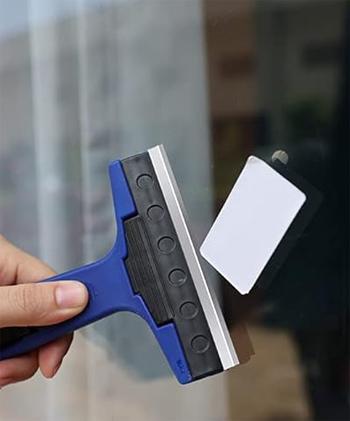
Overlooking Scrapers and Blades: Failing to include a good scraper in your kit can make it difficult to remove tough debris or stains. Make sure you have a quality scraper with sharp, replaceable blades to handle stubborn dirt effectively.
Using the Wrong Extension Poles: Selecting an extension pole that doesn’t properly fit your tools can cause inefficiency and frustration. Ensure the pole is sturdy, extends to the necessary height and securely attaches to your tools for safe and effective cleaning.
Choosing the Wrong Cleaning Solutions: Using generic or inappropriate cleaning solutions can damage glass or leave unwanted residues. Stick to specialized formulas designed to clean thoroughly without harming the glass, like ammonia-free products for tinted windows.
Ignoring the Condition of Microfiber Cloths: Relying on old or dirty microfiber cloths can result in streaks or scratches. Regularly inspect and replace cloths to ensure they are clean and in good condition for detailing.
Using Unstable Ladders: Choosing the wrong ladder, especially one that’s unstable or the wrong height, can be dangerous when reaching high windows. Always use a ladder that is appropriate for the job, stable and secure to prevent accidents.
Techniques Employed by Window Washers:

1. The “S” Technique
The “S” technique is a cornerstone of professional window cleaning. By moving the squeegee in a continuous “S” pattern across the glass, you ensure that the entire surface is covered evenly, reducing the chance of missed spots and minimizing streaks.
This method also helps to remove excess water efficiently, leaving the glass spotless. For example, starting at the top left corner of a window and guiding the squeegee in an “S” shape down to the bottom right corner ensures thorough coverage.
2. Prioritizing Safety
Safety is a critical aspect of window cleaning, particularly when dealing with high or hard-to-reach windows. Professionals prioritize their well-being by using appropriate safety gear, such as harnesses, safety glasses and gloves.
These precautions are essential when working at heights or with potentially hazardous cleaning solutions. For instance, a harness and rope system can prevent falls when cleaning exterior windows on multi-story buildings, while safety glasses protect your eyes from chemical splashes.
3. Water Fed Pole Systems

Water-fed poles are a modern innovation in window cleaning, allowing professionals to clean windows from the ground using extendable poles. These systems use purified water, which dries without leaving spots or streaks, eliminating the need for detergents and reducing the risk of chemical exposure.
For example, a water-fed pole system can reach windows up to 60 feet high, making it ideal for cleaning large commercial buildings without the need for ladders or scaffolding.
4. Regular Maintenance
Regular maintenance is key to keeping windows looking their best over time. By establishing a consistent cleaning schedule, you can prevent the buildup of dirt, grime and hard water stains that can be difficult to remove if left unchecked.
For example, scheduling a professional window cleaning every three months ensures that windows remain clear and enhances the overall appearance of a building, making it more inviting and well-maintained.
Expert Tips for Effective Window Cleaning
- Clean Windows on Overcast Days: Cleaning windows on cloudy days helps prevent the cleaning solution from evaporating too quickly, which can cause streaks. For instance, if you clean on a sunny day, the heat can cause the solution to dry before you can wipe it off, leaving behind unsightly streaks. Overcast days provide the perfect conditions for a streak-free finish.

- Use a Vinegar-Water Solution for an Eco-Friendly Option: A simple mix of equal parts vinegar and water is an effective and environmentally friendly way to clean windows. This solution cuts through grime and leaves glass sparkling without the harsh chemicals found in some commercial cleaners. For example, use this mixture to remove stubborn fingerprints and smudges, especially on interior windows where chemical fumes can linger.
- Inspect All Tools Before Use to Ensure They Are in Good Condition: Before starting any cleaning job, check that all your tools are in top condition. Ensure that squeegee blades are not nicked or worn, as this can lead to streaks and missed spots. If using extension poles, confirm that the locks and joints are secure to avoid accidents. For instance, a loose squeegee blade might leave streaks on the glass, requiring extra work to achieve a spotless finish.
- Prioritize Safety by Using Proper Equipment and Techniques When Working at Heights: Safety should always come first, especially when cleaning windows on tall buildings or hard-to-reach places. Use harnesses, safety ropes and stabilizers if working on a ladder. For example, when cleaning second-story windows, use an extension pole with a squeegee attachment to avoid the risks associated with climbing ladders. Always double-check that your safety gear is securely fastened before starting work.
Quick Reference: Recommended Cleaning Solutions
| Brand | Type | Features |
|---|---|---|
| Windex | Glass Cleaner | Streak-free formula, ammonia-free option available. |
| Simple Green | Multi-Surface Cleaner | Eco-friendly, biodegradable, effective on various surfaces. |
| Method | Glass Cleaner | Plant-based ingredients, non-toxic, pleasant scent. |
The Bottom Line:
Achieving spotless, streak-free windows requires the right combination of tools, techniques and safety measures. With a well-equipped toolkit, including essentials like squeegees, T-bars and microfiber cloths, you can ensure every job meets the highest standards.
Mastering techniques such as the “S” motion and leveraging innovations like water-fed pole systems will enhance efficiency and safety, especially when working at heights. Regular maintenance and attention to detail, such as choosing the right day and inspecting tools before use, further guarantee professional results. By following these practices, you can consistently deliver the clear, pristine windows that make buildings shine.
Last Updated August 25, 2024