
When it comes to window cleaning, the quality of water you use can make a significant difference. Distilled water is free from minerals and impurities that are commonly found in tap water, especially in areas with hard water.
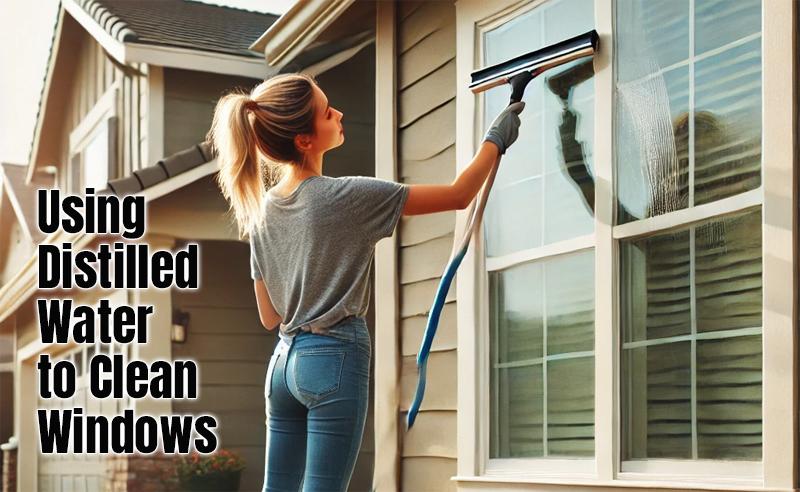
These minerals often leave behind streaks or spots, diminishing the clarity of your windows. Using purified water eliminates this issue, ensuring a flawless, streak-free finish.
Step-by-Step: Cleaning Windows with Distilled Water
1. Gather Your Supplies
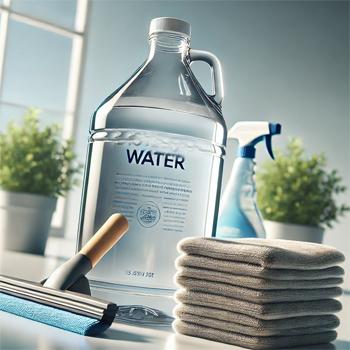
Start by assembling everything you’ll need for a flawless window cleaning session. You’ll want demineralized water, which is crucial for preventing streaks, along with a spray bottle to evenly distribute the water across the glass.
A microfiber cloth is your go-to for wiping; its dust-magnetizing properties make it perfect for this task, as it traps dirt and dust without leaving scratches.
For those aiming for a pristine, professional finish, a squeegee is a great addition to your toolkit, though optional. You might also consider adding a mild window cleaner to your spray bottle for extra cleaning power, especially if your windows are particularly dirty.
2. Prepare Your Solution
Fill your spray bottle with demineralized water. This type of water is essential for avoiding the streaks and spots that can mar an otherwise perfect cleaning job.
If you want to boost your cleaning power, mix in a small amount of mild window cleaner. This combination enhances the effectiveness of the demineralized water, making it easier to cut through grime while still ensuring a streak-free finish.
3. Spray the Windows
When applying the solution to your windows, lightly mist the surface to avoid over-saturating the glass. Too much liquid can lead to unsightly drips and streaks, which defeat the purpose of using demineralized water in the first place. A light, even mist is all you need to cover the surface adequately.
4. Wipe with a Microfiber Cloth
With the window misted, use a microfiber cloth to gently wipe the glass in a circular motion. This type of cloth is designed to be highly absorbent and effective at picking up dirt and dust. The fibers in microfiber cloths are incredibly fine, allowing them to clean thoroughly without scratching the surface or leaving behind any residue.
5. Finish with a Squeegee (Optional)

For larger windows or if you’re aiming for a professional-level finish, follow up with a squeegee. Start at the top of the window and, with smooth, continuous strokes, pull the squeegee down the glass.
This method ensures that any remaining water is efficiently removed, further reducing the chances of streaks. After each pass, be sure to wipe the squeegee blade with a clean cloth to prevent any streaking on subsequent passes.
Specific Examples: Distilled vs. Tap Water
In areas with hard water, mineral deposits like calcium and magnesium can build up on your windows over time, leading to cloudy glass and stubborn streaks. Tap water from these regions often contains high levels of these minerals, making window cleaning a frustrating task.
Demineralized water, on the other hand, is purified through distillation, removing all these impurities. This means no more streaks, spots or mineral buildup—just sparkly-clear glass.
Pros and Cons of Using Demineralized Water
Pros:
- Streak-Free Finish: Mineral-free water ensures a streak-free clean, leaving your windows spotless.
- No Mineral Deposits: Unlike tap water, purified water won’t leave behind any mineral residue that can dull the shine of your glass.
- Enhanced Clarity: Paired with a microfiber cloth, filtered water maximizes the clarity of your windows, providing a professional-level finish.
Cons:
- Cost: Mineral-free water is more expensive than tap water, especially if you’re cleaning large areas frequently.
- Availability: While it’s readily available, it requires a trip to the store if you don’t have any on hand, unlike tap water, which is always accessible.
Can You Clean Windows with Distilled Water Using a Pressure Washer?

Absolutely, you can use a pressure washer to rinse windows without leaving streaks. By opting for purified water, you eliminate the risk of mineral deposits, ensuring a spotless, streak-free finish. This makes it an ideal option for window cleaning, particularly in areas with hard water.
- Prepare the Pressure Washer: Check connections and use a low-pressure nozzle.
- Set Up Water: Connect to a distilled water source or use a large container.
- Add Cleaning Solution (Optional): Use a mild, window-safe cleaner if needed.
- Test the Pressure: Test on a small area to ensure the pressure is safe for glass.
- Clean the Windows: Start from the top, using smooth motions and keeping the nozzle 3-4 feet from the glass.
- Rinse with Mineral-Free Water: Thoroughly rinse to avoid streaks or mineral deposits.
- Dry the Windows: Use a microfiber towel or squeegee for a spotless finish.
Steam Cleaning Windows with Distilled Water:

Alternatively, you can heat-steam your windows to clean them with mineral-free water.
When used in a steam cleaner, the fresh water creates a pure steam that effectively loosens dirt and grime without leaving any mineral residue behind.
This ensures a spotless, streak-free finish on your windows, making it an ideal choice for steam cleaning glass.
- Fill with Water: Use purified water in your steam cleaner’s tank to avoid streaks or spots.
- Choose the Right Attachment: Select a squeegee or dust-grabbing mop head attachment designed for glass.
- Steam the Windows: Apply steam from top to bottom to loosen dirt and grime.
- Wipe with Microfiber: Immediately wipe each section for a spotless finish.
- Repeat if Needed: Continue steaming and wiping until the entire window is clean.
- Dry the Glass: Buff the glass with a dry lint-free cloth for enhanced clarity.
My Final Thoughts:
Incorporating distilled water into your window cleaning routine is a game-changer for achieving a flawless, streak-free finish. Its purity eliminates the common issues associated with tap water, such as mineral deposits and unsightly streaks, leaving your windows crystal-clear.
Whether you’re using it in a spray bottle, a pressure washer or a steam cleaner, de-mineralized water consistently outperforms tap water, particularly in areas plagued by hard water. While it may come with a slightly higher cost and the need for careful sourcing, the results speak for themselves—gleaming, spotless windows that enhance the beauty of your home.
Last Updated September 6, 2024